
To measure bathroom ADA compliance Jefferson City MO homeowners face challenges ensuring their spaces meet Americans with Disabilities Act standards. Incorrect measurements can lead to costly remodels and noncompliance penalties. Understanding precise clearance requirements, such as turning radius and fixture placement, is critical for safe and accessible bathrooms.
Local regulations in Jefferson City often reference specific ADA guidelines that dictate dimensions for doorways, grab bars, and maneuvering space. Properly measuring your bathroom for ADA compliance helps avoid accessibility issues and ensures the space accommodates users with disabilities.
Homeowners looking to measure bathroom ADA compliance Jefferson City MO should expect to work with detailed plans covering toilet height, sink clearance, and pathway widths. Getting matched with vetted contractors via our can help navigate these complex requirements efficiently and accurately.
Why It Matters in Jefferson City, MO
Ensuring ADA compliance in bathroom design is crucial for Jefferson City, MO homeowners due to evolving local regulations and the city’s commitment to accessibility. Properly measuring your bathroom space helps prevent costly modifications and ensures safety for all users, including those with disabilities.
Failure to meet ADA standards can result in legal liabilities and reduced property value, especially in Jefferson City’s diverse housing market. Engaging with knowledgeable professionals about compliance requirements supports long-term property usability and aligns with community inclusivity goals.
Understanding ADA Bathroom Requirements Specific to Jefferson City, MO
Local ADA standards establish precise guidelines for bathroom accessibility, focusing on features such as clear floor space, grab bar placement, and fixture heights. These standards ensure that individuals with disabilities can safely and independently use bathroom facilities.
Jefferson City homeowners and property managers must be aware that Missouri regulations often incorporate these federal requirements while adding specific provisions tailored to local building codes.
Key ADA bathroom requirements include a minimum 60-inch turning radius for wheelchairs, accessible toilet seat heights between 17 and 19 inches, and proper sink clearance to accommodate wheelchair users. Additionally, grab bars must be securely installed at defined heights and lengths to provide adequate support.
Jefferson City's local regulations may also address aspects such as ventilation and lighting that impact overall compliance.
Factors Affecting Compliance in Jefferson City, MO
- Local amendments: Jefferson City may enforce additional rules beyond the ADA Standards, requiring consultation with municipal codes.
- Inspection requirements: Compliance verification can involve city inspections ensuring adherence to both federal and local mandates.
- Historic buildings: Properties with historic designation in Jefferson City might have modified ADA requirements, influencing measurement and renovation approaches.
Understanding these overlapping federal and local regulations is essential for accurate assessment and successful adaptation of bathroom spaces. Homeowners looking to maintain or achieve ADA compliance in Jefferson City should consider these factors when planning modifications or renovations.
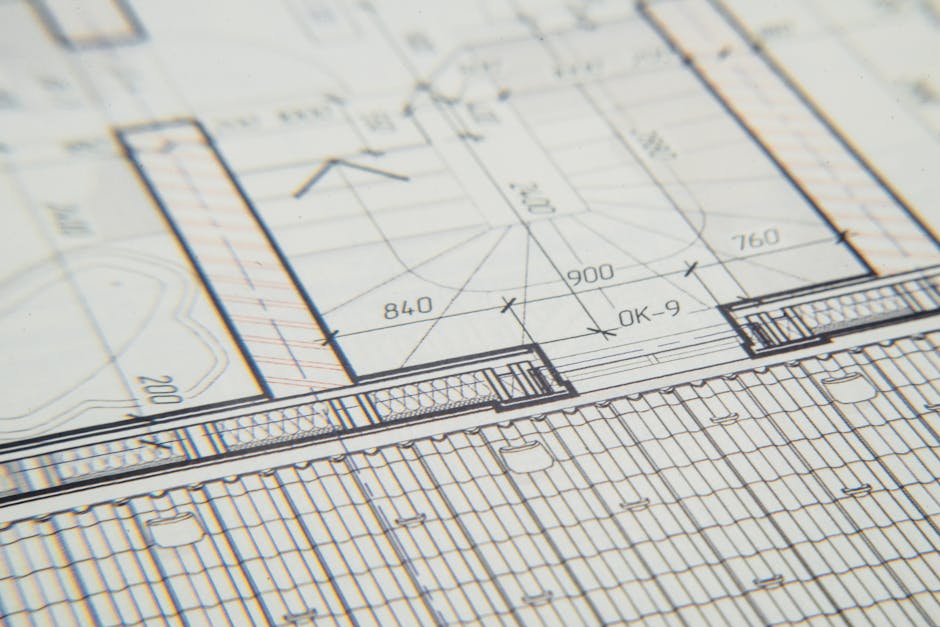
Pro Tip: Accurate Bathroom Measurements for ADA Compliance in Jefferson City, MO
When measuring your bathroom for ADA compliance in Jefferson City, MO, ensure you use a reliable tape measure to capture clearance widths around fixtures like toilets and sinks. Pay special attention to the turning radius, which must meet local regulations for wheelchair accessibility.
Also, verify the height and placement of grab bars to align with both federal and city standards. Proper measuring techniques can prevent costly remodels and ensure your bathroom meets all ADA standards.
Step-by-Step Guide to Measuring Your Bathroom for ADA Compliance in Jefferson City
Properly measuring your bathroom for ADA compliance in Jefferson City requires specific measurement tools such as a tape measure, level, and possibly a laser distance measurer.
Start by identifying the clear floor space to ensure sufficient room for wheelchair maneuvering, typically a minimum of 60 inches in diameter for a full turning radius.
Next, measure the toilet height, which must fall between 17 and 19 inches from the floor to the top of the seat according to local ADA standards. Accurate measurement here is essential to avoid costly remodels.
Additionally, assess the placement and length of grab bars, which should be securely installed at heights between 33 and 36 inches from the floor, extending along the side and rear walls adjacent to the toilet.
Key Measurement Points for Bathroom ADA Compliance
- Clear floor space: Measure a minimum of 30 by 48 inches in front of fixtures like sinks and toilets.
- Turning radius: Confirm a clear circle of at least 60 inches diameter for wheelchair users.
- Sink clearance: Check that there is at least 27 inches of knee clearance below the sink.
- Grab bars: Lengths typically range from 42 to 54 inches, installed horizontally at proper heights.
- Toilet height: Measure from floor to seat within the required 17-19 inch range.
Homeowners looking to meet local regulations should document each measurement carefully and compare them against ADA standards. This systematic approach helps ensure that your bathroom modifications in Jefferson City meet all necessary guidelines, reducing the risk of noncompliance and facilitating smoother contractor consultations.
Common Mistake to Avoid
One frequent error city homeowners make when measuring their bathroom for ADA compliance in Jefferson City, MO is neglecting to account for the required clear floor space around fixtures like toilets and sinks.
Overlooking the minimum turning radius can lead to non-compliant layouts that fail inspections and result in costly remodels. Ensuring precise measurements of grab bars placement and sink clearance from walls is essential to avoid accessibility violations under local regulations.
Common ADA Measurement Mistakes to Avoid When Assessing Your Jefferson City Bathroom
Homeowners in Jefferson City frequently encounter measurement errors that compromise ADA compliance in their bathrooms. One common mistake is failing to account for the required clear floor space, which must accommodate a wheelchair turning radius of at least 60 inches.
Overlooking this can lead to insufficient maneuvering room, resulting in costly adjustments.
Another typical error involves clearance issues around essential fixtures such as sinks and toilets. For instance, improper sink clearance beneath the basin can prevent wheelchair users from positioning themselves correctly. Similarly, neglecting to measure the toilet height within the specified ADA range may cause noncompliance and accessibility challenges.
Key Measurement Pitfalls and Tips for Accuracy
- Incorrect grab bar placement: Grab bars must be positioned at precise heights and locations per local regulations. Misplacement reduces their effectiveness and violates ADA standards.
- Ignoring door swing and hardware: Doors should not obstruct the clear floor space. Misjudging door swing direction or hardware clearance can restrict access.
- Using inconsistent measurement tools: Employing different tape measures or failing to calibrate tools leads to inaccurate readings.
- Not verifying measurements multiple times: Single measurements increase the risk of errors; cross-checking dimensions ensures greater reliability.
Professional companies in Jefferson City often recommend detailed planning and adherence to local codes to avoid these pitfalls. Homeowners looking to ensure bathroom ADA compliance should consider these common errors during their assessment to prevent costly remodels and maintain full accessibility.

Frequently Asked Questions
What are the key measurements needed for ADA bathroom compliance?
Homeowners looking to ensure ADA compliance should focus on the clear floor space, turning radius, and sink clearance. Accurate measurement of the toilet height and placement of grab bars also play crucial roles in meeting local regulations.
How important is the turning radius in an ADA-compliant bathroom?
The turning radius is essential for wheelchair accessibility, typically requiring a minimum of 60 inches. Ensuring this space is free of obstructions helps meet ADA standards and prevents costly remodels due to non-compliance.
Can incorrect sink clearance affect ADA compliance?
Yes, insufficient sink clearance can lead to non-compliance as it restricts wheelchair access. Proper measurement of the clear floor space under and around the sink is necessary to adhere to compliance Jefferson mandates and avoid potential violations.
Are there specific requirements for grab bar placement in Jefferson City bathrooms?
Local regulations in Jefferson City require grab bars to be installed at precise heights and lengths near the toilet and bathing areas. Accurate measurement is critical to ensure these features meet ADA standards and provide adequate support.
What common mistakes do homeowners make when measuring for ADA bathroom compliance?
Common errors include misjudging the turning radius, ignoring toilet height standards, and failing to account for adequate clear floor space. These mistakes can lead to non-compliance and potentially expensive modifications later.
Ensuring ADA compliance in your Jefferson City bathroom requires precise attention to measurements, including turning radius, clear floor space, and proper fixture placement. Accurate assessment helps prevent costly remodels and guarantees your space meets local regulations.
Homeowners looking to adapt their bathrooms should prioritize consulting professionals familiar with the city's specific ADA standards and requirements.
Get matched with vetted Ada Bathroom Remodel Jefferson City contractors in Jefferson City, MO via our . This service connects you with experts who can provide precise measurement and consultation quotes tailored to your bathroom ADA compliance needs.